The Growing Demand for Paint Protection in the U.S.
Whether you’re cruising down a gravel road in New Hampshire or navigating Boston’s tight traffic lanes, your vehicle’s paint is constantly under attack. Rock chips, UV rays, bug splatter, and road salt are all enemies of a flawless finish.
As a premium detailing and protection studio serving Lawrence, MA, Elite Auto Spa often hears the same question:
“Should I get a Paint Protection Film or Ceramic Coating?”
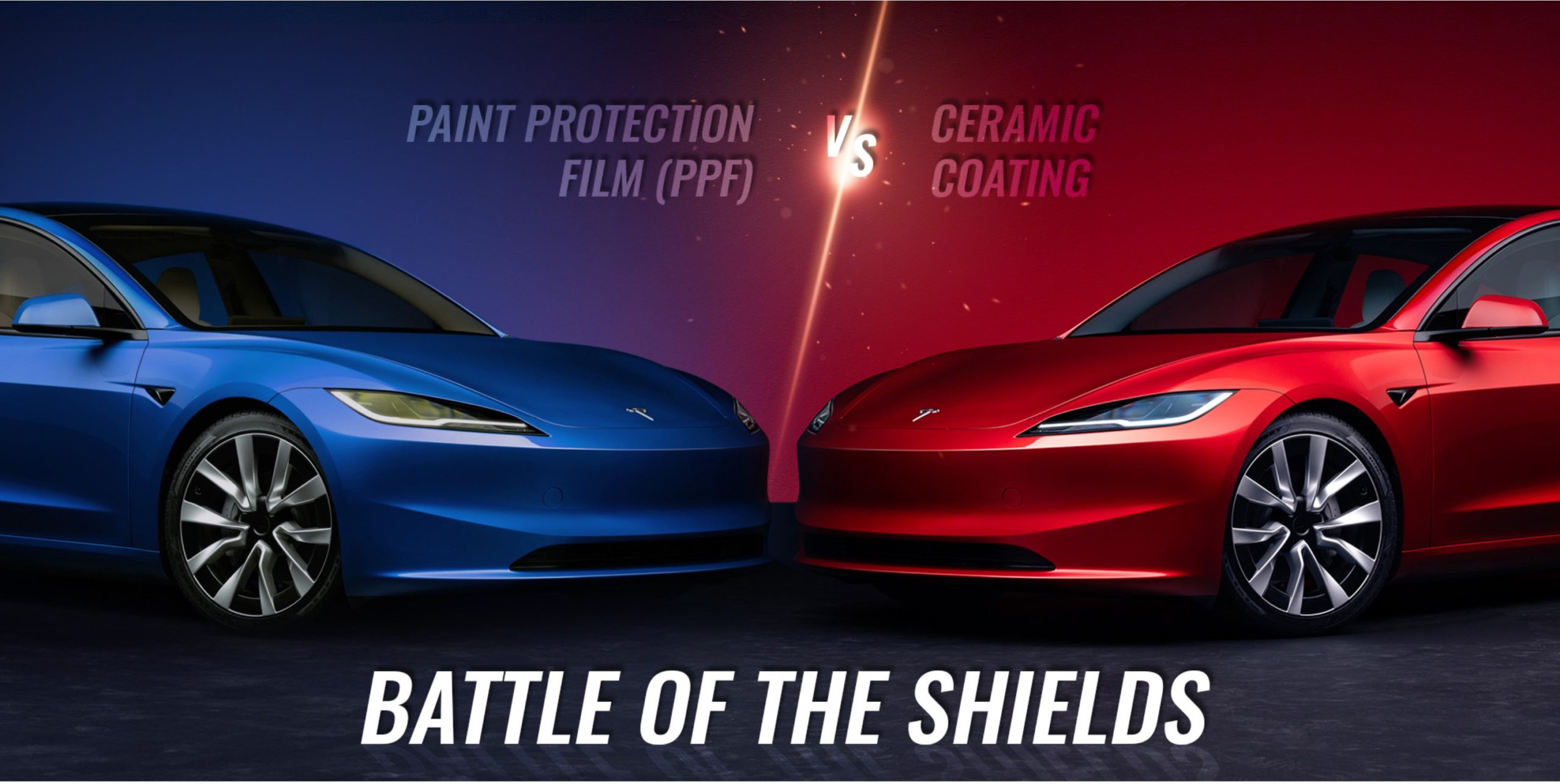
If you’re stuck between the two, you’re not alone. This in-depth guide will help you understand the differences between PPF and ceramic coating, their benefits, limitations, and which one is best suited for your car, driving habits, and long-term goals.
What Is Paint Protection Film (PPF)?
Paint Protection Film, commonly known as PPF or “clear bra”, is a thermoplastic urethane film applied over your vehicle’s painted surfaces.
It’s engineered to:
- Absorb impact from small debris, like rocks or sand
- Self-heal minor scratches with heat (sunlight or warm water)
- Preserve OEM paint by acting as a physical shield
At Elite Auto Spa, we use industry-leading brands like XPEL and STEK, which offer up to 10 years of warranty and come in options like gloss, matte, or even color-change films.
Ideal for:
- Highway drivers worried about rock chips
- New car owners preserving factory paint
- Performance or luxury vehicles needing showroom-level protection
What Is Ceramic Coating and How Is It Different?
Ceramic Coating is a liquid polymer applied by hand that chemically bonds to the paint’s clear coat, creating a hydrophobic, glossy, and UV-resistant layer.
Benefits include:
- Water and dirt repellency
- UV protection and chemical resistance
- Enhanced gloss and depth
- Reduced washing and detailing frequency
Unlike PPF, ceramic does not protect against rock chips or deep scratches. But it excels at protecting against oxidation, staining, and environmental wear.
At Elite Auto Spa, we offer ceramic coatings from Gtechniq and Ceramic Pro, tested and certified for up to 7 years of real-world protection.
PPF vs Ceramic Coating: Side-by-Side Feature Comparison
| Feature | PPF | Ceramic Coating |
| Protection Type | Physical impact + abrasion resistance | Chemical, UV, and water resistance |
| Scratch Resistance | Excellent (self-healing surface) | Moderate (minimizes swirls only) |
| Gloss / Finish | High (film sheen); optional matte or satin | Very high (mirror-like gloss) |
| Hydrophobic Effect | Moderate (unless layered with ceramic) | Excellent (water beads and sheets off) |
| UV/Acid Rain Protection | Good | Excellent |
| Longevity | 7–10 years (with warranty) | 2–7 years (based on coating level) |
| Maintenance | Low (avoid abrasive washes) | Very low (rinse, pH-neutral soap, occasional topper) |
| Cost | $1,000–$5,000+ depending on coverage | $600–$2,000+ depending on the number of layers |
Which One Offers Better Protection Against Chips, Scratches, and UV Damage?
Let’s get specific:
Rock Chips & Minor Scratches:
PPF wins; it acts as a literal armor for your car, absorbing impacts and healing light abrasions.
UV Rays, Oxidation & Chemical Stains:
Ceramic Coating wins, it’s chemically formulated to withstand sun, road salts, acid rain, and environmental fallout.
Overall Shine & Ease of Cleaning:
Ceramic delivers unbeatable gloss and hydrophobicity, making washing your car easier and faster.
In summary:
For road rash and debris, go with PPF
For daily shine and maintenance ease, ceramic takes the lead
Cost Breakdown in the U.S.: Which One Is More Affordable Over Time?
Let’s break it down over 5 years:
Ceramic Coating Costs:
- Install: $800–$2,000
- Maintenance: Booster spray ($50/year)
- Total 5-Year Cost: ~$1,000–$2,250
PPF Costs:
- Partial Front (hood, fenders, bumper): $1,200–$2,000
- Full Car Wrap: $4,000–$7,000+
- Maintenance: Minimal
- Total 5-Year Cost: $1,200–$7,000+
Ceramic is more budget-friendly, but limited to surface protection
PPF offers full impact protection but comes at a higher price point
If you’re leasing or plan to sell the car, both can increase resale value by preserving the paint’s condition.
Should You Get Both? Combining PPF and Ceramic for Ultimate Protection
At Elite Auto Spa, many of our clients go with the hybrid approach:
- PPF on high-impact areas like bumpers, hood, side mirrors, and door edges.
- Ceramic coating is layered on top of both the paint and the PPF for gloss, hydrophobic properties, and chemical defense.
This dual method gives you:
- The impact resistance of PPF
- The glossy, easy-to-clean surface of ceramic
- Extended longevity and better aesthetics
This combo is ideal for luxury vehicles, exotic cars, or serious car lovers who want zero compromises.
Who Should Choose PPF and Who Should Choose Ceramic Coating?
Choose PPF If You:
- Drive long distances or on gravel roads
- Live in areas with harsh winters (rock salt)
- Want invisible protection from rock chips
- Are you investing in a new luxury vehicle?
Choose Ceramic Coating If You:
- Prefer a glossy, low-maintenance finish
- Want long-term UV and water resistance
- Drive mostly in urban or suburban environments
- Need easy cleaning with fewer washes
Choose Both If You:
- Want maximum protection, longevity, and shine
- Own a vehicle you plan to keep for 5+ years
- Are you protecting a collectible, exotic, or high-end ride?
Professional Installation Matters: Why DIY Can Backfire
Both PPF and ceramic coatings demand professional experience for proper application. DIY kits often:
- Leave bubbles, streaks, or hazing
- Fail to bond properly, reducing lifespan
- Void warranty protections
At Elite Auto Spa, our team uses precision-cut software, studio-level cleanliness, and certified techniques to deliver flawless installations.
This guarantees:
- Proper adhesion
- Long-term performance
- Manufacturer-backed warranties
Choose the Right Protection Strategy for Your Car and Budget
So, PPF vs Ceramic Coating – which should you choose?
If you drive daily on highways or worry about rock chips, Go with PPF
If you want lasting gloss and low-maintenance shine, Go with Ceramic Coating
If you demand the best of both worlds, Combine both for unmatched protection
Your vehicle deserves more than a rinse and a prayer. At Elite Auto Spa, we help vehicle owners in Lawrence, MA, protect their investment with tailored solutions using premium brands like XPEL, STEK, Ceramic Pro, and Gtechniq.
Book your consultation today and discover the perfect package for your vehicle and lifestyle.
FAQs
Can I apply both ceramic coating and PPF to my car?
Yes! Combining both offers the most complete protection: PPF shields against impact, and ceramic boosts shine and chemical resistance.
How long do ceramic coatings and PPF last
Ceramic: 2–7 years
PPF: 7–10 years (with warranty)
Which is easier to maintain?
Ceramic coating requires less frequent washing and no waxing. PPF needs gentle cleaning but is more durable against physical damage.
Does PPF look better than ceramic?
Ceramic coatings deliver more gloss, but PPF can also look stunning, especially when topped with a ceramic layer.
Will either of these protect against door dings or large scratches?
No. PPF helps reduce small chips and scuffs, but neither protects against dents or body panel damage from major impact.
Is it worth the investment?
Both options preserve paint quality, improve resale, reduce wash time, and keep your car looking newer, longer.