
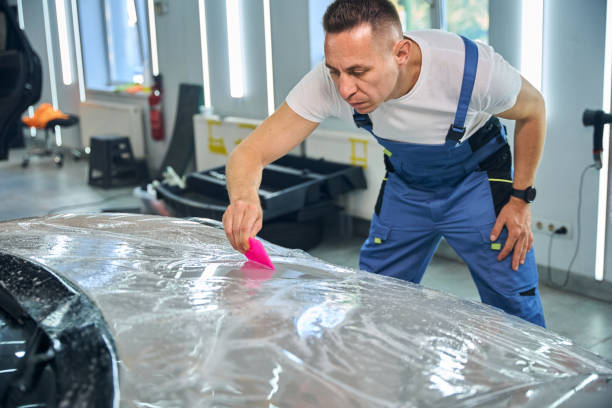
If you care about your car’s look and value, you already know how small rocks, road dirt, and sunlight can damage your paint. That is why paint protection film (PPF) has become so popular. It is a clear layer that protects your car’s paint from chips, scratches, and fading.
But installing PPF is not as simple as it may look. Even skilled people can make mistakes that ruin the smooth finish or shorten the film’s life. In this blog, you will learn about the most common mistakes people make when applying PPF and how to avoid them.
Whether you are a car owner, a detailing shop, or a business in the auto care industry, these tips will help you make sure your investment in auto paint protection really pays off.
Why It Is Important to Avoid Mistakes
When PPF is not installed the right way, it does not just look bad. It can cause many other problems such as:
• Edges lifting or peeling away from the surface
• Bubbles or lines that make the car’s finish look uneven
• Yellowing or fading before its time
• Dust or dirt trapped under the film
• Reduced protection against scratches or chips
These problems usually start small but become worse with time. If the film fails, it may not be covered under warranty. That is why proper application matters so much.
Common Mistakes When Applying PPF and How to Avoid Them
1. Not Cleaning the Surface Properly
One of the biggest mistakes during PPF installation is skipping or rushing the cleaning process. If there is any dust, wax, or oil on the paint, the film will not stick properly and may create bubbles or rough spots.
How to avoid this mistake:
- Wash the car carefully with a good shampoo.
- Use a clay bar to remove any tiny dirt or particles.
- Wipe the surface with isopropyl alcohol to remove leftover oils.
- Dry the surface completely before placing the film.
- Always inspect under bright lighting to make sure the surface is spotless.
Good preparation is the secret to a smooth and long-lasting finish.
2. Working in the Wrong Environment
Temperature and humidity play a big role in how the paint protection film reacts during installation. If the place is too cold, the film becomes stiff and hard to apply. If it is too hot, the adhesive activates too early and sticks before you are ready.
Dusty areas are another big problem because small particles can get trapped under the film.
How to avoid this mistake:
Work in a clean and controlled area. The temperature should be comfortable, and the air should be free from dust and moisture. Also, avoid working directly under sunlight, as it can make the film too sticky.
3. Poor Positioning or Alignment
Another common issue happens when the film is not lined up correctly. Once the film sticks, it is hard to move or adjust it. A small mistake in positioning can lead to visible gaps or uneven edges.
How to avoid this mistake:
- Use a wet solution (often called slip solution) on both the film and the panel so you can slide it into place.
- Align the edges carefully before you press down.
- Squeegee from the center outwards to remove water and air.
- Make sure everything looks straight before it sets.
Taking your time in this step will save you from doing the same job twice.
4. Stretching the Film Too Much
Some installers pull or stretch the film too much to make it fit around curves or corners. This can make the film thinner in certain areas and cause it to peel or tear later.
How to avoid this mistake:
Use a heat gun gently to soften the film so it bends naturally around curves. Do not pull it too hard. Follow the stretching limits recommended by the film’s manufacturer.
5. Using Low-Quality Film
Not all PPF brands are the same. Cheap or fake products often turn yellow, crack, or lose their adhesive within a short time. They may also not have the same self-healing feature that good films provide.
How to avoid this mistake:
Always buy from trusted paint protection film installers or brands with proven track records. Look for warranty coverage and ask about UV resistance. A little extra cost upfront saves you a lot of trouble later.
6. Cutting or Trimming Carelessly
Cutting the film directly on the car can be dangerous. One wrong move can scratch the paint. Also, trimming too close can cause the edges to peel later.
How to avoid this mistake:
Use sharp blades and take your time. Some professionals use pre-cut kits to reduce the need for manual cutting. If you must trim by hand, keep a small gap and seal the edge afterward.
7. Not Sealing the Edges Properly
Edges are where most PPF failures happen. When they are not sealed well, dirt, water, and air start getting underneath, causing the film to lift.
How to avoid this mistake:
Gently heat the edges to help the adhesive bond better. Wrap the film slightly around the edges when possible. You can also use an edge sealant for extra protection.
8. Trapping Dust or Air During Installation
Even if you start with a clean surface, dust or air can still sneak in while you work. Once trapped, it forms visible bubbles or spots that ruin the smooth look.
How to avoid this mistake:
If you see dust under the film, stop and fix it immediately. Lift that section, spray a little slip solution, clean the area, and then lay it back down carefully.
9. Rushing the Process
Applying clear shield paint protection takes patience. Many people try to rush through it, thinking it saves time, but this often leads to visible flaws or bubbles that show up after a few hours.
How to avoid this mistake:
Work slowly and carefully. Apply one panel at a time and check your progress often. Quality takes time, and your results will speak for themselves.
10. Ignoring Manufacturer Recommendations
Every film brand has slightly different instructions regarding temperature, stretch limits, and curing time. Ignoring these details can cause issues like discoloration, weak adhesion, or uneven finishes.
Always read the manufacturer’s guidelines before you start. This simple habit can prevent most long-term problems.
Additional Tips from Professional Installers
Here are some more small but important things that make a big difference:
• Use two different spray solutions, one for sliding the film and another for sticking it firmly.
• Wear lint-free clothing to prevent dust contamination.
• Check the car again the next day to make sure all edges are holding properly.
• If you find a small bubble, use a soft pin to release the air, then press gently.
• Take photos of each stage for quality records and warranty proof.
• If one area looks bad, do not try to hide it. It is better to replace that section completely.
These steps may sound small, but together they lead to a professional and durable finish.
How to Choose the Right PPF Shop
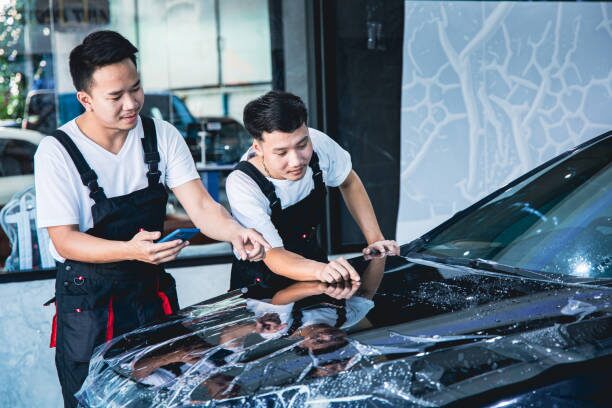
If you are a small business owner, marketing manager, or car enthusiast, choosing the right shop is just as important as the film itself. Use this quick checklist to find reliable paint protection film installers:
• Ask to see before-and-after photos of their previous work.
• Check if their workspace is clean and climate controlled.
• Ask what brands of film they use and whether those come with a warranty.
• Watch how they prepare the car’s surface before applying the film.
• Make sure they do not overstretch the film on curves.
• Confirm that they perform edge sealing and final inspection.
A good installer pays attention to details. That is what makes the difference between a job that lasts years and one that fails in months.
Conclusion
Installing paint protection film is both a science and an art. When done correctly, it gives your car’s paint a long-lasting defense against chips, scratches, and fading. When done poorly, it can look bad and fail quickly.
Avoiding these common mistakes — poor cleaning, bad alignment, over-stretching, or skipping edge sealing — can make your PPF last much longer and perform the way it should.
For people living in Massachusetts or nearby, Elite Auto Spa is known for professional car paint protection film services. Their team follows the right steps, uses top-quality materials, and makes sure every detail is perfect. If you want your car to look new for years, they are worth checking out.
Whether you call it auto paint protection or just PPF, remember that good work always starts with patience, cleanliness, and experience.
Frequently Asked Questions
1. Can I apply PPF myself?
Yes, but only if you are working on small areas and have some experience. Full car installations are better left to professionals for a clean and lasting finish.
2. How long does PPF last?
A high-quality film can last five to ten years or more. Its life depends on how well it was installed and maintained.
3. Does poor installation affect the warranty?
Yes. Most manufacturers will not cover peeling or bubbling caused by improper installation.
4. Do bubbles under the film go away on their own?
If they are caused by moisture, they may dry out within a few days. But air bubbles or dust particles will not disappear and may need fixing.
5. Is PPF better than ceramic coating?
PPF protects against physical damage like chips and scratches, while ceramic coating adds shine and makes cleaning easier. Many car owners use both for the best protection.
6. Can I remove PPF without damaging paint?
Yes, when done correctly by an expert. Do not pull it off too quickly, especially after several years, as that could damage the paint.
7. Which surfaces should not get PPF?
Avoid applying it on headlights or surfaces that already have a factory-applied clear layer, as it may cause peeling or cloudiness later.
?)