Why Vehicle Protection Matters More Than Ever in the U.S.
When it comes to maintaining your vehicle’s shine and resale value, protection isn’t optional; it’s essential. Whether you’re driving through the harsh winters of Massachusetts or dealing with intense summer UV in California, the need for reliable paint protection is clear.
At Elite Auto Spa, we’ve seen firsthand how improper care and cheap products can destroy even the most stunning finishes. That’s why we’re breaking down one of the most common debates in the detailing world: ceramic coating vs wax.
What’s better for your vehicle? Which one lasts longer? Which is more cost-effective? And most importantly, which protects your paint in real-world U.S. driving conditions?
Let’s explore the truth.
What Is Car Wax? A Classic Approach to Shine and Surface Defense
Car wax has been a staple in automotive care for decades. Traditional wax, either carnauba (natural) or synthetic, is applied to a car’s clear coat to add a layer of shine and moderate surface protection.
It’s popular for a few key reasons:
- It’s affordable
- It’s easy to apply
- It delivers a warm, glossy finish
But here’s the catch: car wax doesn’t chemically bond to your paint. It simply sits on top. This makes it vulnerable to heat, rain, road salt, and repeated washes.
Even in mild climates, car wax breaks down within 4–8 weeks, sometimes less during a snowy Northeast winter.
Wax is best suited for show cars, weekend drivers, or budget-conscious owners seeking short-term shine, not long-term protection.
What Is Ceramic Coating? A Modern Shield for Your Vehicle’s Paint
Ceramic coating is a liquid polymer that chemically bonds to your vehicle’s clear coat. It creates a semi-permanent, hydrophobic layer that repels water, dirt, chemicals, and UV rays.
At Elite Auto Spa, we exclusively use high-performance ceramic products like Gtechniq and Ceramic Pro, which are engineered for U.S. conditions and tested to last between 2 to 7 years, depending on the product and care.
Key benefits include:
- Water beading and dirt resistance
- UV protection to prevent paint fading
- Chemical resistance against bird droppings, bug splatter, acid rain, and road salts
- Enhanced gloss that deepens paint depth
- Easier maintenance, less washing, no waxing
Unlike wax, ceramic coatings require professional prep and installation, but the results are on another level.
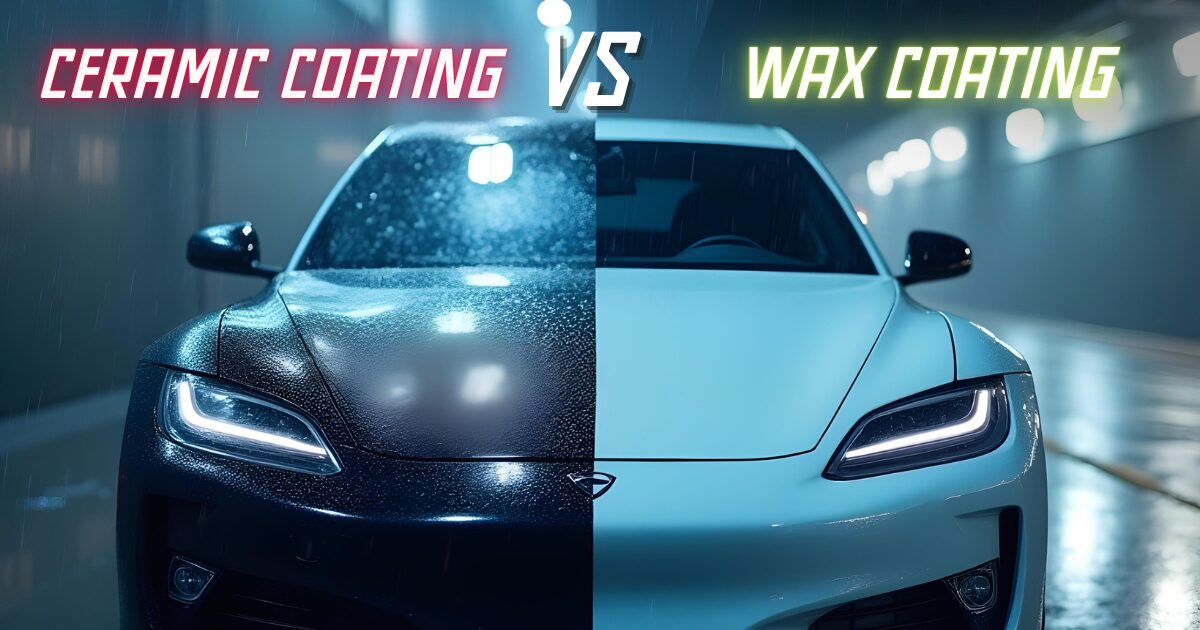
Ceramic Coating vs Wax: Key Differences Explained
Let’s break down this protection battle with real-world performance:
| Feature | Car Wax | Ceramic Coating |
| Protection Type | Surface-level (temporary) | Chemical bond to clear coat (long-lasting) |
| Durability | 1–2 months (max 3–4) | 2–7 years (pro-grade) |
| Gloss | Warm finish | Deep, wet, showroom-like shine |
| Hydrophobic Effect | Moderate | High—water beads and sheets off instantly |
| UV Resistance | Low to moderate | Excellent |
| Chemical Resistance | Minimal | High (bird droppings, bug guts, sap) |
| Reapplication Needed | Monthly | None (just light maintenance) |
| Installation | DIY or hand-applied | Pro application with paint correction |
| Cost (U.S. Avg) | $30–$150 | $500–$2,500+ |
Common Myths Debunked About Ceramic Coating and Wax
Myth 1: Ceramic coating makes your car scratch-proof
Not quite. Ceramic adds minor scratch resistance, but it won’t protect against rock chips or dings. For impact protection, Paint Protection Film (PPF) is a better choice.
Myth 2: Wax is better for shine
Old-school myth. Wax delivers temporary gloss, but ceramic coatings create a richer, deeper, and longer-lasting shine that stays glossy for years.
Myth 3: Ceramic coating never needs maintenance
False. While ceramic reduces the need for constant detailing, you’ll still need to wash your car with pH-neutral soaps and apply a ceramic booster every 12–24 months.
Cost Comparison in the U.S. Market: Wax vs Ceramic Coating
In the United States, the price difference is significant, but so is the value.
Wax: DIY kits start at $20–50; professional wax jobs range from $100–200. But you’ll need to reapply 5–6 times per year.
Ceramic Coating: Pro-grade coatings cost between $800–$2,500, depending on the package (single-layer vs multi-layer, full car vs partial). However, they require no reapplication for years.
Over a 3-year span, ceramic coating saves time, hassle, and money by cutting down on constant waxing, detailing, and damage repairs.
Maintenance & Longevity: Which Requires Less Effort?
Wax: Needs to be stripped and reapplied frequently. Environmental exposure quickly wears it away, especially in hot, snowy, or rainy climates.
Ceramic Coating: Requires gentle, pH-neutral washes and drying with microfiber towels. That’s it. No buffing. No rewaxing.
At Elite Auto Spa, we include a post-coating care guide to ensure our clients get the most out of their investment.
When to Choose Ceramic Coating and When to Stick With Wax
Still deciding? Here’s our honest breakdown:
Choose Ceramic Coating If:
- You drive regularly or commute
- You want long-term gloss and paint protection
- You’re concerned about road salt, UV, or chemical exposure
- You value resale and want to preserve factory paint
- You want to wash less, not more
Stick With Wax If:
- You rarely drive your vehicle
- You enjoy detailing your car monthly
- You’re on a tight budget
- You don’t mind the short-term nature of protection
Professional vs DIY Application: What’s Worth It in 2025?
Ceramic coating is not a DIY weekend project. It requires:
- Thorough paint correction
- Controlled studio environment
- Certified application techniques
At Elite Auto Spa, our certified technicians inspect, correct, and apply the coating under optimal conditions, ensuring durability and aesthetic perfection.
Wax, on the other hand, is easy to DIY but labor-intensive, and wears off quickly.
The Best Long-Term Paint Protection Strategy
If your goal is to protect your vehicle’s value, maintain gloss with less work, and guard against the harsh U.S. climate, ceramic coating wins, hands down.
Wax may offer temporary shine, but it can’t compete with the durability, UV resistance, and chemical protection of a professional ceramic install.
Elite Auto Spa in Lawrence, MA, offers industry-certified ceramic coating services using Gtechniq and Ceramic Pro to ensure your vehicle looks better and lasts longer.
Schedule a consultation today and experience the ultimate in modern paint protection.
FAQs
Is ceramic coating worth it over wax?
Yes, especially for daily drivers. It saves time, provides better protection, and adds long-term value.
How long does ceramic coating last?
With proper care, 2–7 years, depending on the product and climate.
Can I apply ceramic coating myself?
DIY kits exist, but don’t match the results or durability of professional application.
Does wax damage ceramic coating?
No, but it’s unnecessary. Instead, use ceramic toppers or boosters recommended by your installer.
Will ceramic coating protect against rock chips?
No, it resists minor swirls. For rock chip protection, go for Paint Protection Film (PPF).
Can I use wax after ceramic coating?
You can, but it’s redundant. Stick to ceramic-based maintenance sprays for best results.